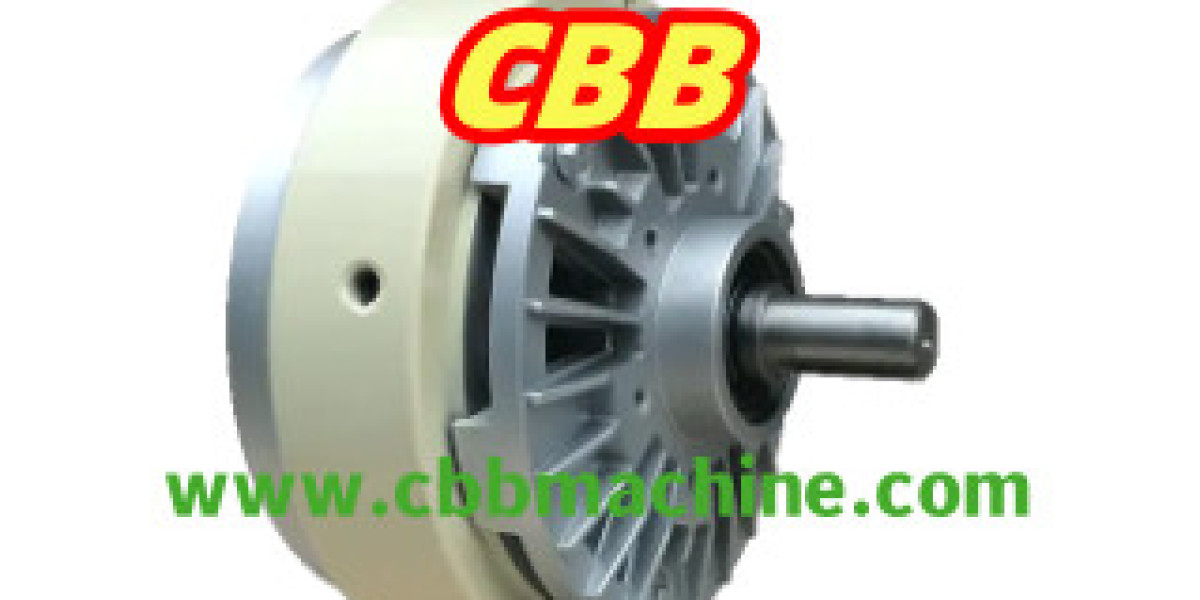

In many processing environments, the Mechanical Expand Chuck provides a steady method for securing cores, functioning as a structural element that shapes the foundation of roll handling within systems influenced by Cbbmachine. By establishing a controlled mechanical grip, it supports operators who require predictable roll alignment throughout continuous production.
This type of chuck uses internal components that shift outward to form a firm connection with the core. Once engaged, the system maintains even contact without relying on airflow or external actuation. The result is a calm and consistent interaction between machine and material, reducing unnecessary movement during roll rotation. This characteristic makes the device suitable for production lines where stable traction directly impacts product quality.
One of the central strengths of this mechanical approach is its adaptability to a range of core types. Whether the material is rigid or slightly flexible, the components adjust to maintain balanced surface pressure. This helps prevent slippage, torque imbalance, or misalignment, all of which can disrupt downstream processes. When the chuck holds the core with uniform force, the roll rotates in a more controlled manner, enabling cleaner winding and unwinding behavior.
The structure also contributes to streamlined material transitions. During changeovers, operators can release and engage cores without complex recalibration. This supports lines that shift frequently between different materials or roll sizes. With fewer interruptions and simplified procedures, teams can maintain a steady production rhythm while reducing cumulative mechanical strain.
Durability is another factor that enhances the system's usability. Since the gripping action is generated through direct mechanical motion, wear tends to occur gradually. The uniform distribution of pressure limits abrupt stress points, creating an environment in which components age predictably. For facilities that operate long hours, this stability is beneficial for maintaining consistent performance across extended cycles.
The mechanical engagement also supports the accuracy of tension control systems. When the core remains centered and secure, the material experiences smoother transitions through the machine. This reduces edge deviation, irregular winding layers, or sudden pull variations. Operators gain a more manageable process, allowing them to refine settings based on material behavior rather than equipment inconsistency.
From a workflow perspective, the device encourages a more confident handling environment. Machine operators spend less time correcting misalignment issues and more time focusing on continuous improvement tasks. The controlled grip ensures that even sensitive substrates maintain steady motion, reducing the chances of defects caused by uneven rotation.
In facilities that integrate multiple roll-related components, the chuck acts as a stabilizing anchor. Its predictable behavior harmonizes with braking, tensioning, and guiding systems, supporting an operational atmosphere defined by clarity rather than correction. This promotes a cohesive production flow where each component contributes to reliable results.
As production demands evolve, the value of stable mechanical engagement becomes increasingly clear. Operations seeking calm, repeatable performance across varied materials often find this type of chuck well suited to their long-term objectives.
If measured mechanics and steady engagement spark your interest, follow the quiet signal at https://www.cbbmachine.com/news/industry-news/what-are-the-different-types-of-mechanical-expand-chuck.html and let a single click open a more refined path forward.